 WeeklyTrail
Science
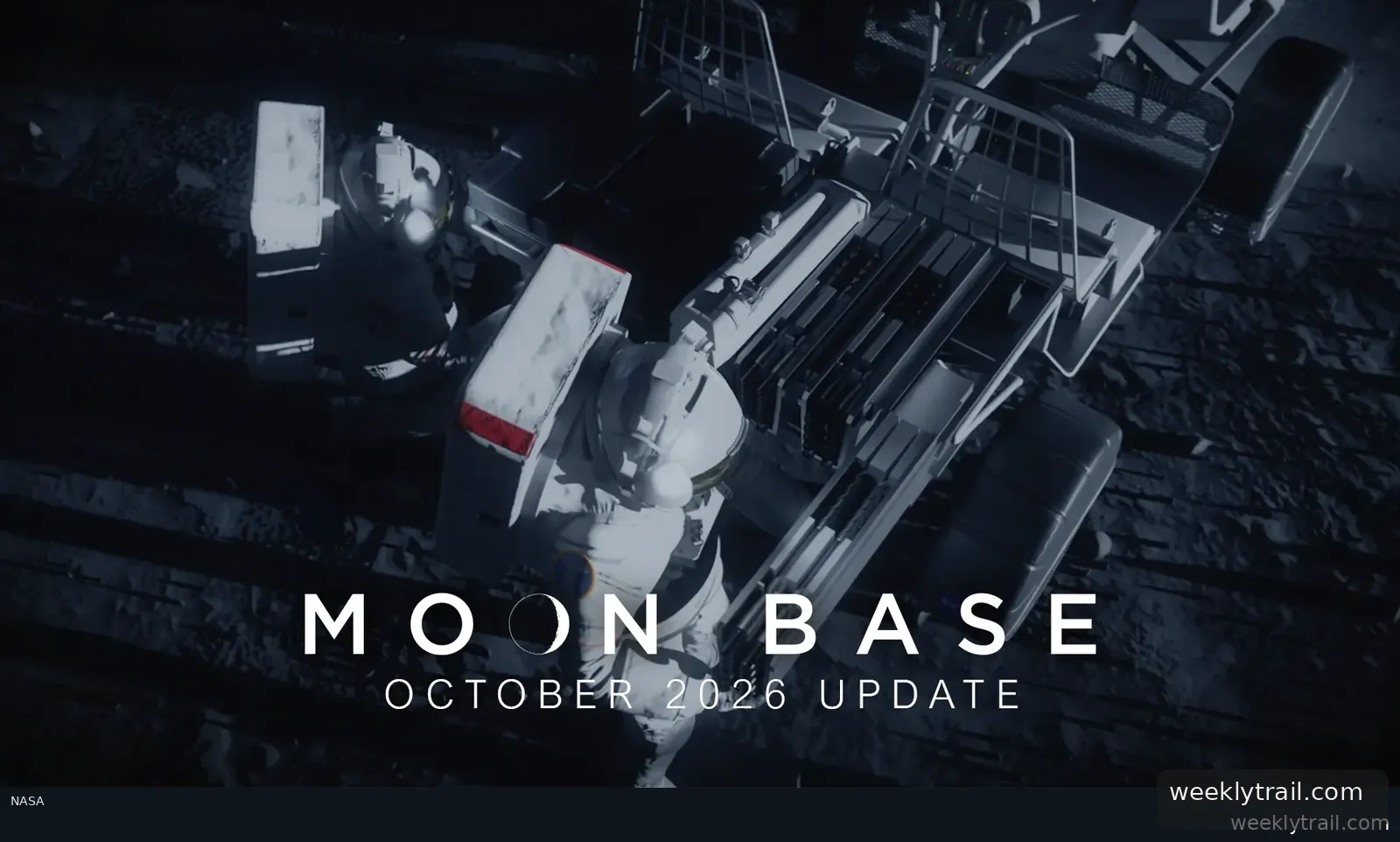
NASA outlines lunar rover plans for Moon Base
NASA said Astrolab and Lunar Outpost are building crewed lunar terrain vehicles for delivery ahead of Artemis missions, while the VIPER rover is due to reach the Moon's South Pole in 2027.
Stories in Science
NASA said Astrolab and Lunar Outpost are building crewed lunar terrain vehicles for delivery ahead of Artemis missions, while the VIPER rover is due to reach the Moon's South Pole in 2027.

The European Space Agency's Week in images for 31 August to 4 September 2026 gathers ten items, including FLEX and Sentinel-3C being sealed from view and the launch of the Roman mission to survey the infrared sky.
After eight years in space, ESA and JAXA's BepiColombo is arriving at Mercury, with the Mercury Transfer Module already separated and orbit insertion planned for 21 November 2026.
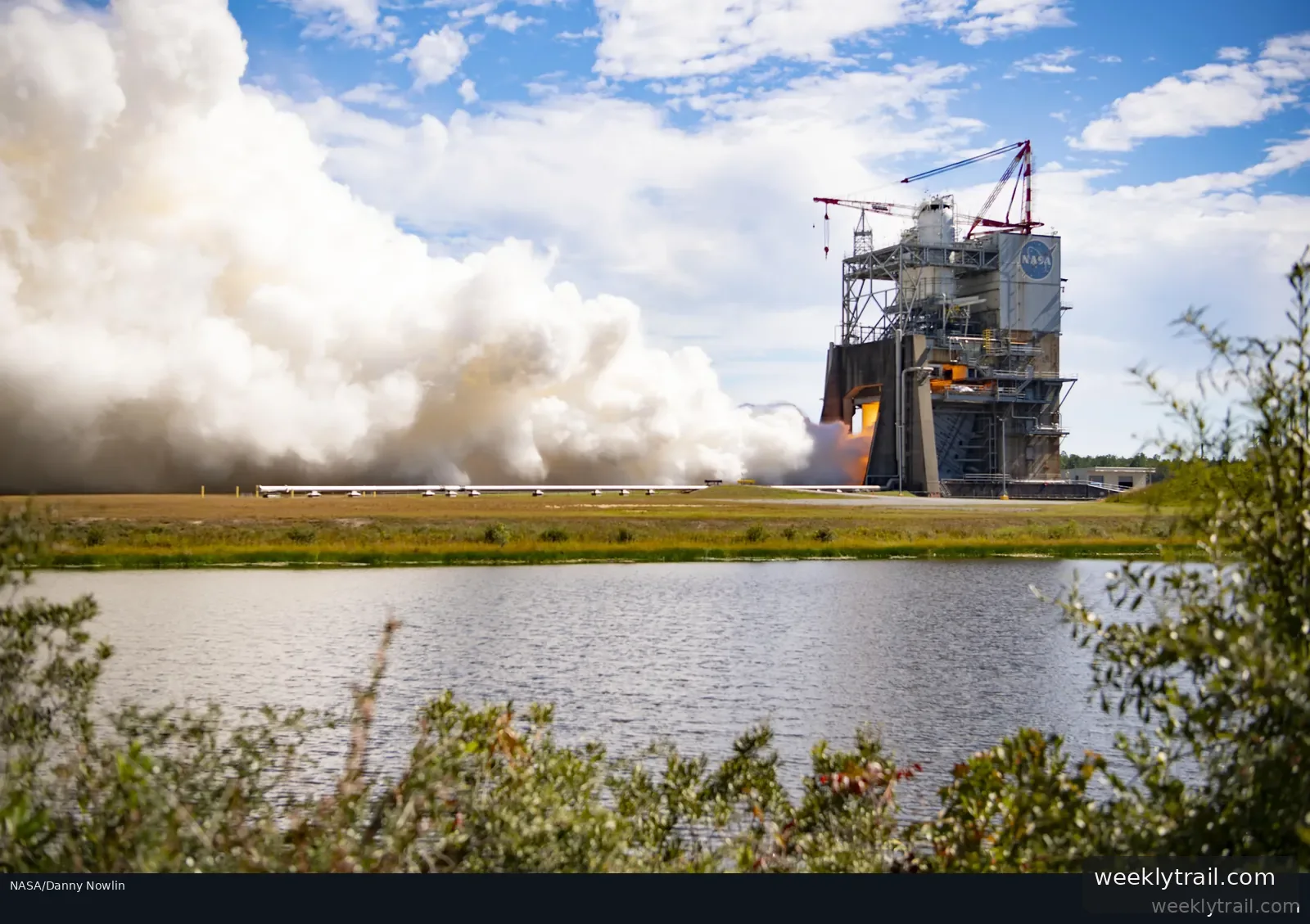
NASA teams at Stennis Space Center in Mississippi test-fired RS-25 engine No. 10001 on Oct. 21, 2026, running it for about 500 seconds at 111% power, the same duration engines fire during a Space Launch System launch.
NASA's Earth Observatory reports unusually high fire emissions on both sides of New Guinea in September and October 2026, as drought linked to a strong El Niño left the landscape primed to burn.
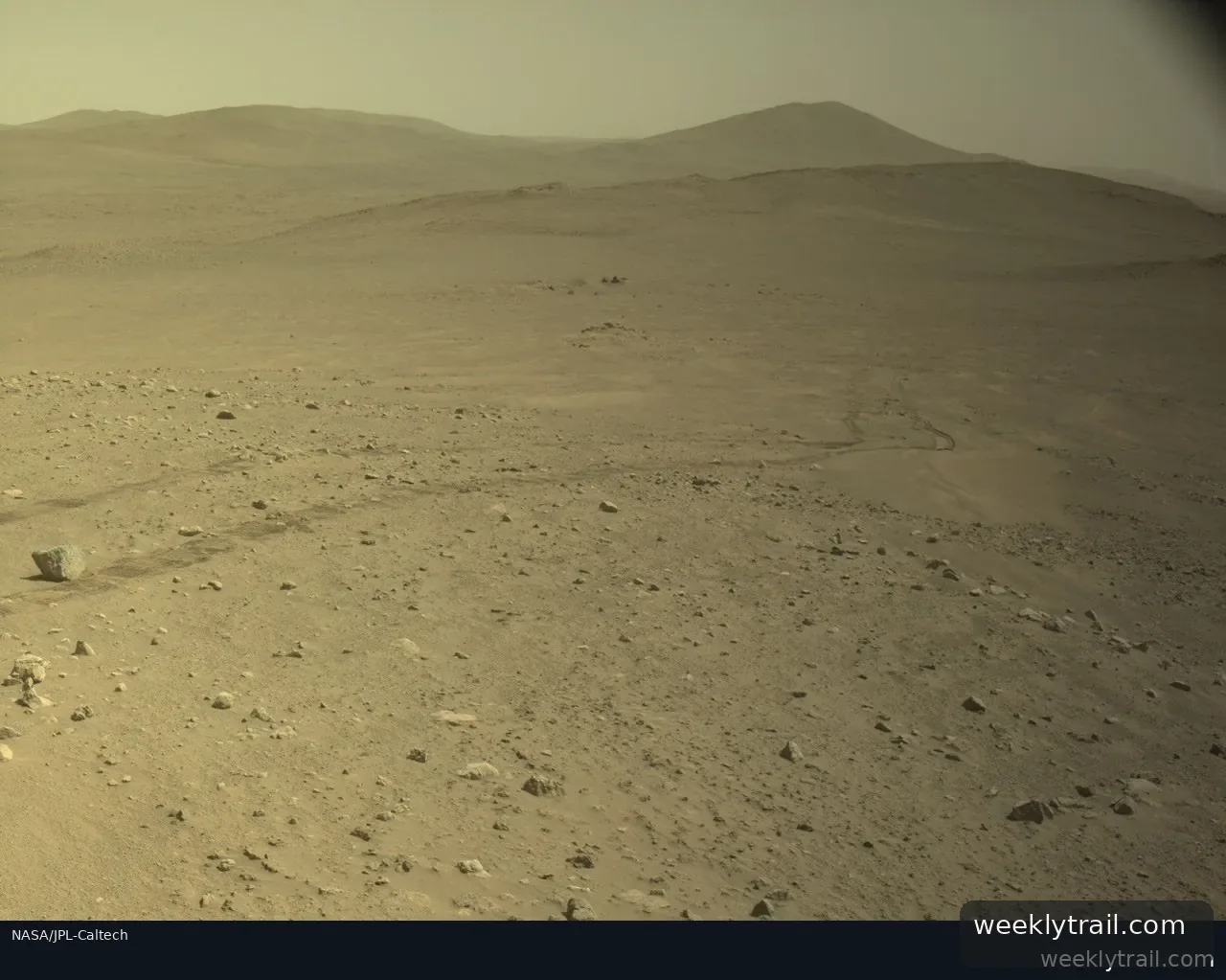
NASA's Perseverance rover reached 45.22 kilometers (28.10 miles) driven on Mars on Oct. 11, 2026, setting a record for the farthest distance driven on another celestial body, the mission team reported.

Hubble observations reveal a ten-sided atmospheric wave around Saturn's south pole, the first large regular-sided jet pattern seen in the planet's southern hemisphere. Researchers say it resembles the northern hexagon but appears to be newly forming.
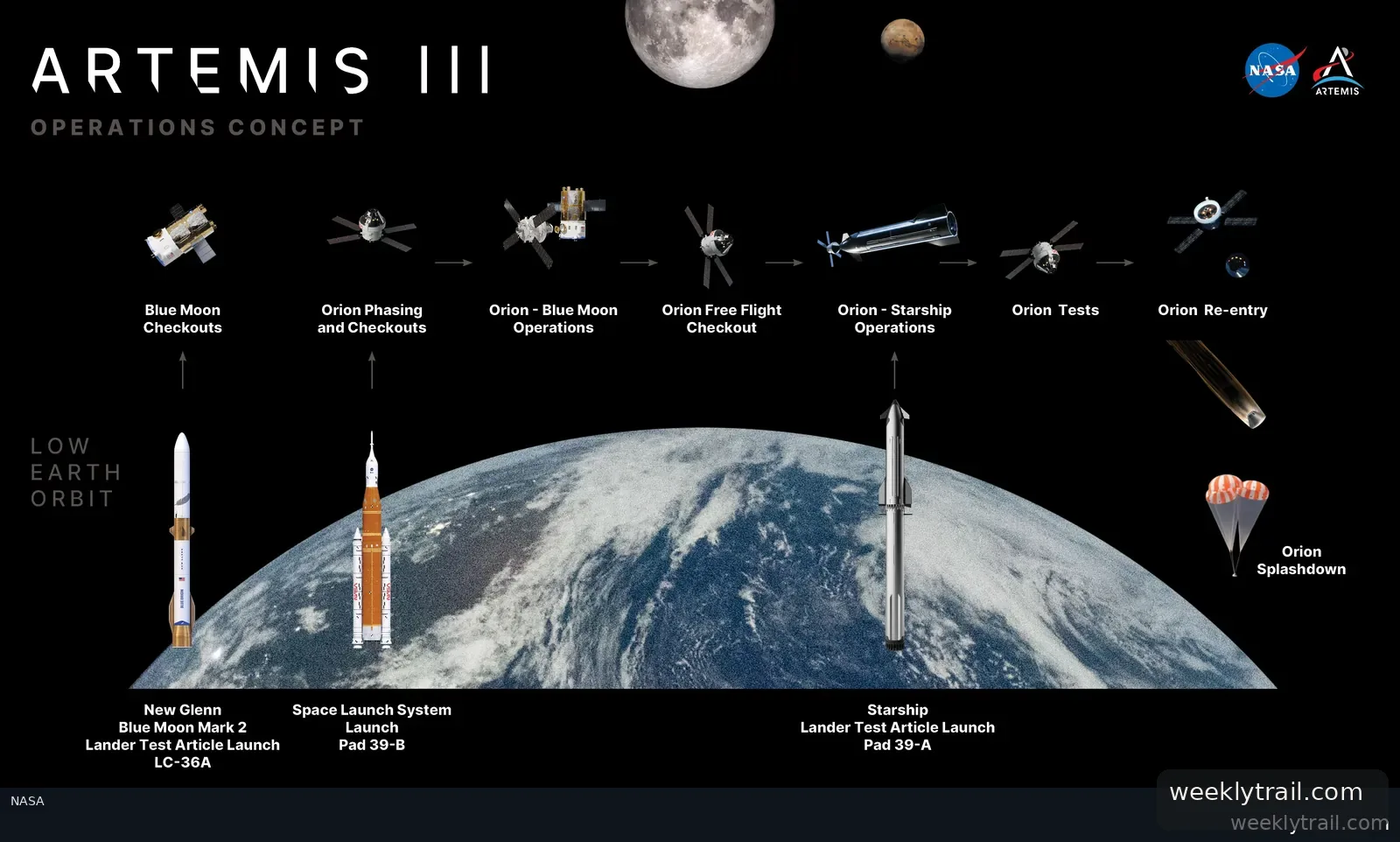
NASA says Artemis III will send four astronauts into low Earth orbit in 2027 to practice rendezvous and docking with test versions of Blue Origin's Blue Moon and SpaceX's Starship landers ahead of planned lunar landings in 2028.
ESA confirmed that BepiColombo's Mercury Transfer Module separated from the spacecraft stack on 3 September 2026, the first step in a six-month arrival sequence toward orbit around Mercury.
NASA hot-fired RS-25 engine No. 10001 on Oct. 21 at Stennis Space Center, running it for almost 500 seconds and reaching 111% power to test components and a new nozzle thermal protection system.
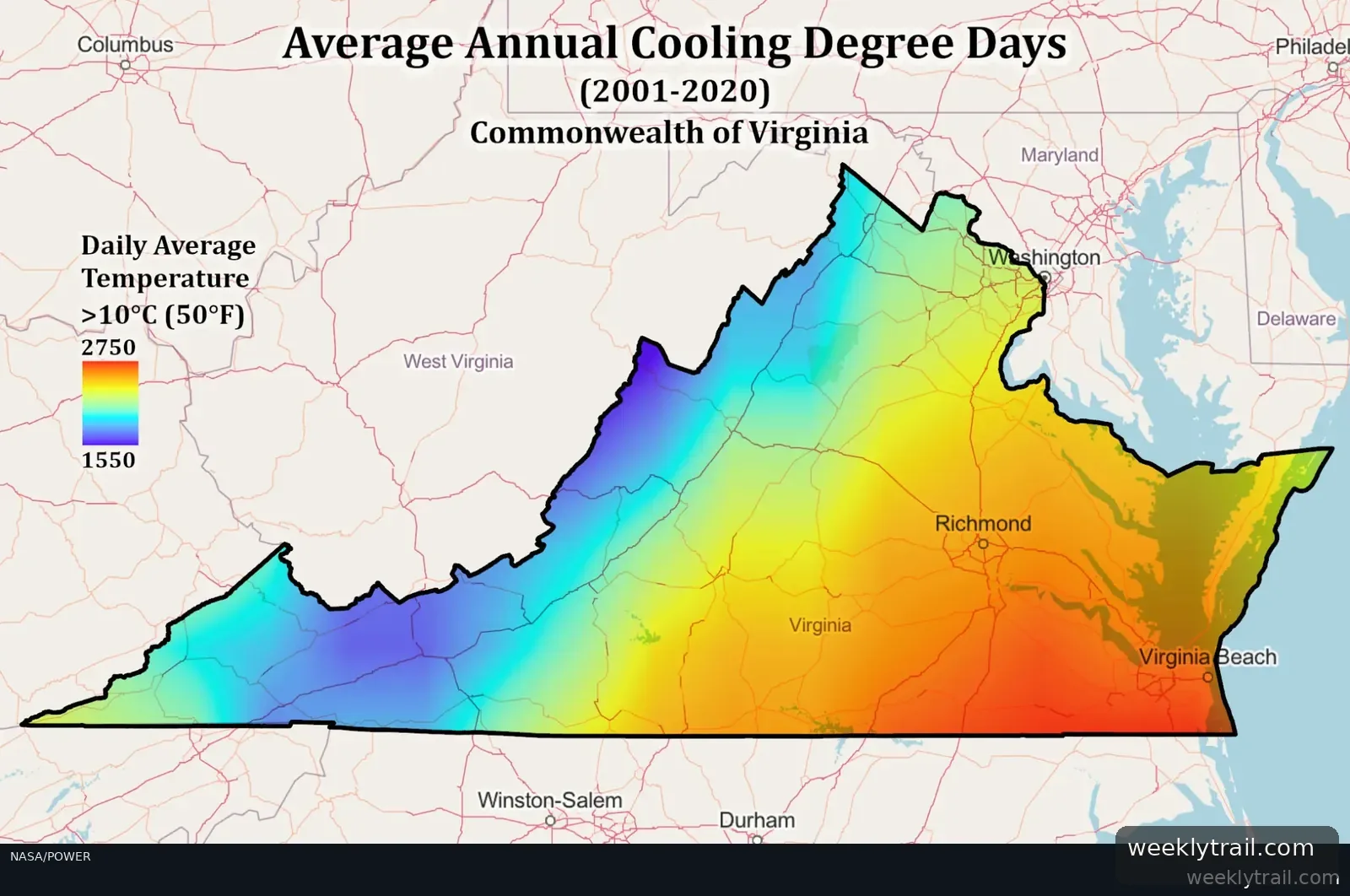
NASA's Langley Research Center has signed a Space Act Agreement with the Virginia Department of Energy to share solar, meteorological and weather-risk datasets for state energy modeling and long-term planning.
A deep image of M42, the Great Nebula in Orion, highlights glowing gas around hot young stars at the edge of an interstellar molecular cloud about 1,500 light-years away.