 WeeklyTrail
Two studies highlighted by NASA describe a possible way for the future LISA observatory to find planets around tightly orbiting pairs of white dwarfs. An orbiting planet would subtly alter the gravitational waves produced by the stellar pair, leaving a pattern that researchers could identify.
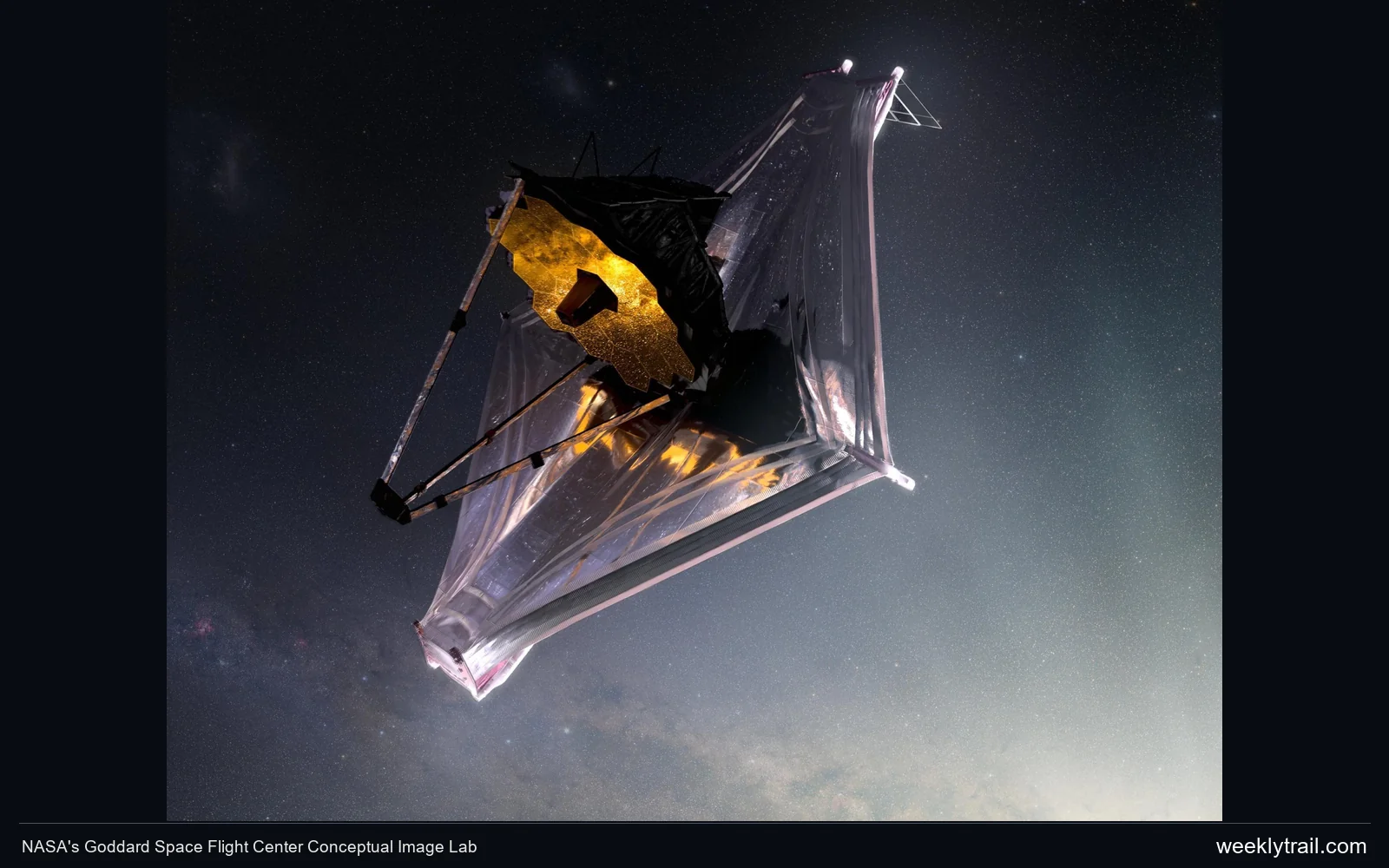
One study examines how the technique works and which planetary masses and orbital periods would make detection easier. The other considers how the James Webb Space Telescope could check candidates by looking for extra infrared light associated with a planet.
LISA remains in development. ESA leads the mission, with NASA contributing telescopes, other hardware and scientific support. Launch is planned for the mid-2030s. These are proposed observing methods, not an announcement that LISA has already discovered planets.


Start the conversation. A good question is half the story.