 WeeklyTrail
NASA and IBM Research, working with several academic institutions, released the NASA-IBM Lunar Foundation Model, described as among the first open-source AI models built specifically for lunar science, according to a NASA report published on 10 September 2026. The model is hosted publicly on Hugging Face, with its codebase on GitHub.
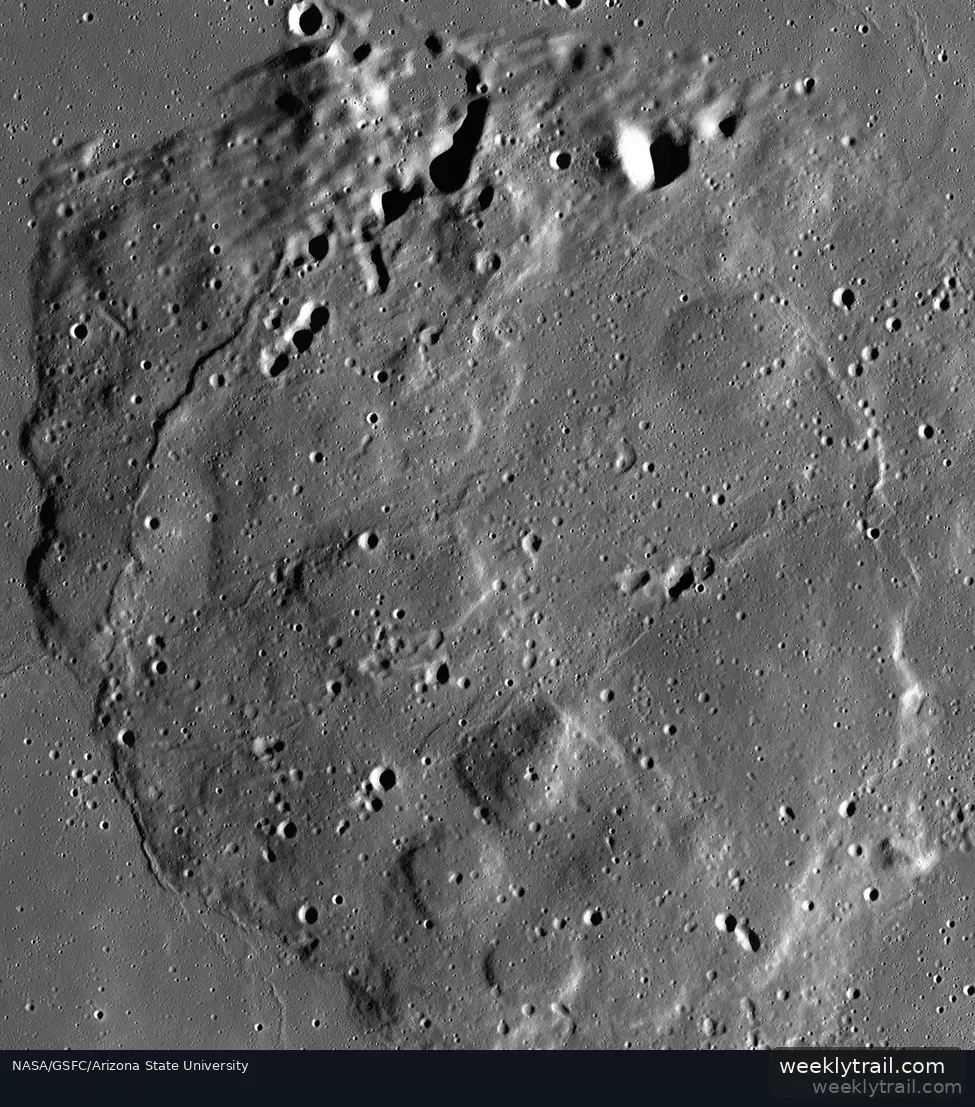
NASA said the model was trained primarily on data from its Lunar Reconnaissance Orbiter, covering roughly 2 million image tiles, including more than 1 million high-resolution camera images at 1-meter resolution and nearly 964,000 multispectral images at 100-meter resolution. Other sources included imagery and terrain data from NASA's GRAIL and Lunar Prospector missions and JAXA's SELENE mission. According to NASA, the model matched or exceeded several strong baseline models across evaluated tasks, with a clear advantage on estimating polar ice stability.
Kevin Murphy, NASA's chief science data officer and acting chief data and AI officer, said in the report that collecting lunar data is only part of the job and that the model shows what is possible when AI is applied to NASA's petabytes of scientific data.


No comments yet.