 WeeklyTrail
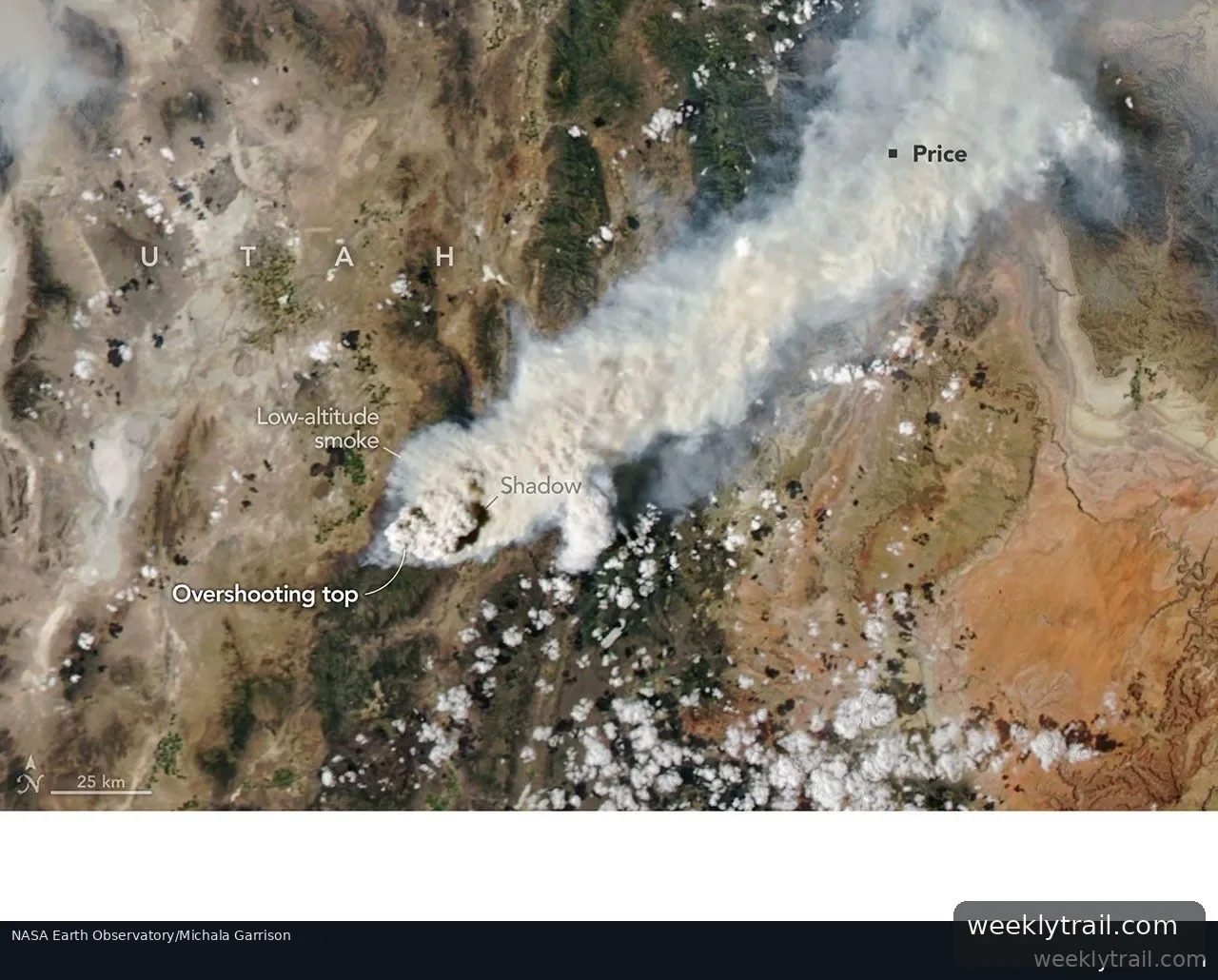
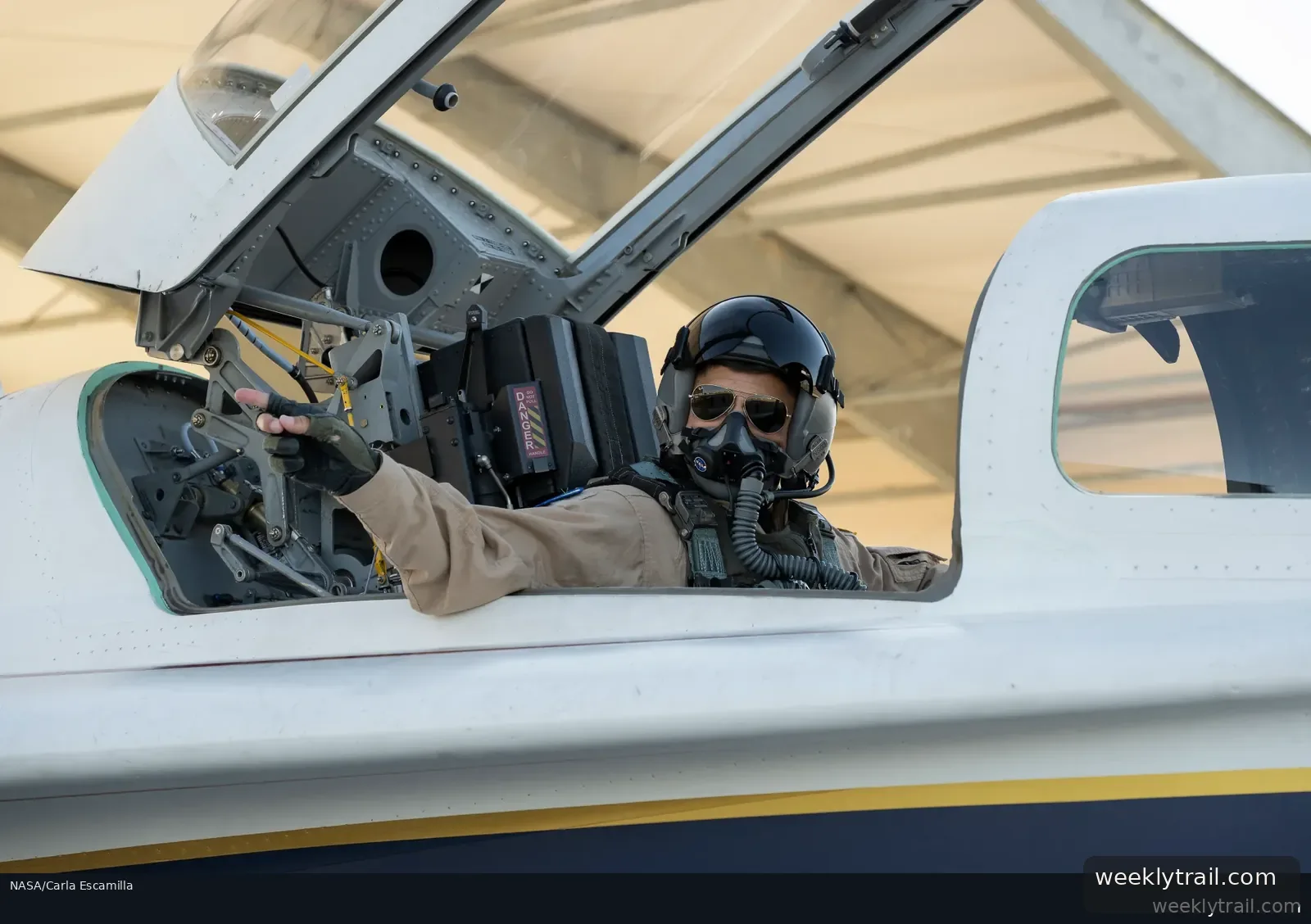
A NASA-led team flew through high-altitude smoke from Utah's Widemouth 2 fire on August 3, 2026, sampling a plume roughly 12 kilometers (8 miles) above the surface, NASA Earth Observatory reported on August 17, 2026. The flight by NSF/NCAR's GV aircraft was part of INSPYRE (Injected Smoke and Pyrocumulonimbus Experiment), which is using NASA's ER-2, the GV and truck-based sensors to study towering, smoke-infused pyrocumulonimbus clouds.
Lightning ignited the Widemouth 2 fire on July 27, 2026, and it more than doubled in size on August 2 amid intense winds and hot, dry conditions, the report said. That afternoon, NASA's Aqua satellite captured imagery showing two discrete pulses of pyroCb activity, with cloud-top brightness temperatures well below −40°C, a common identification threshold. A smaller pyroCumulus cloud was also photographed during the sampling flight.
Researchers have established that wildfires produce about 70 pyroCbs per year, and Fromm and colleagues had identified at least 13 in the continental United States so far in 2026. Scientists have cataloged well over 700 events since the early 2000s and believe wildfires may contribute up to 25 percent of the black carbon and organic aerosols in the lower stratosphere.

Start the conversation. A good question is half the story.