 WeeklyTrail

A NASA technology-transfer article published Sept. 10, 2026 describes how a personal locator beacon (PLB) triggered the Search and Rescue Satellite-Aided Tracking (SARSAT) system to rescue five people whose boat sank about 40 miles off the Mississippi Gulf Coast over Memorial Day weekend 2024. Easton Barrett, one of those rescued, said the group spent more than four hours in the water.
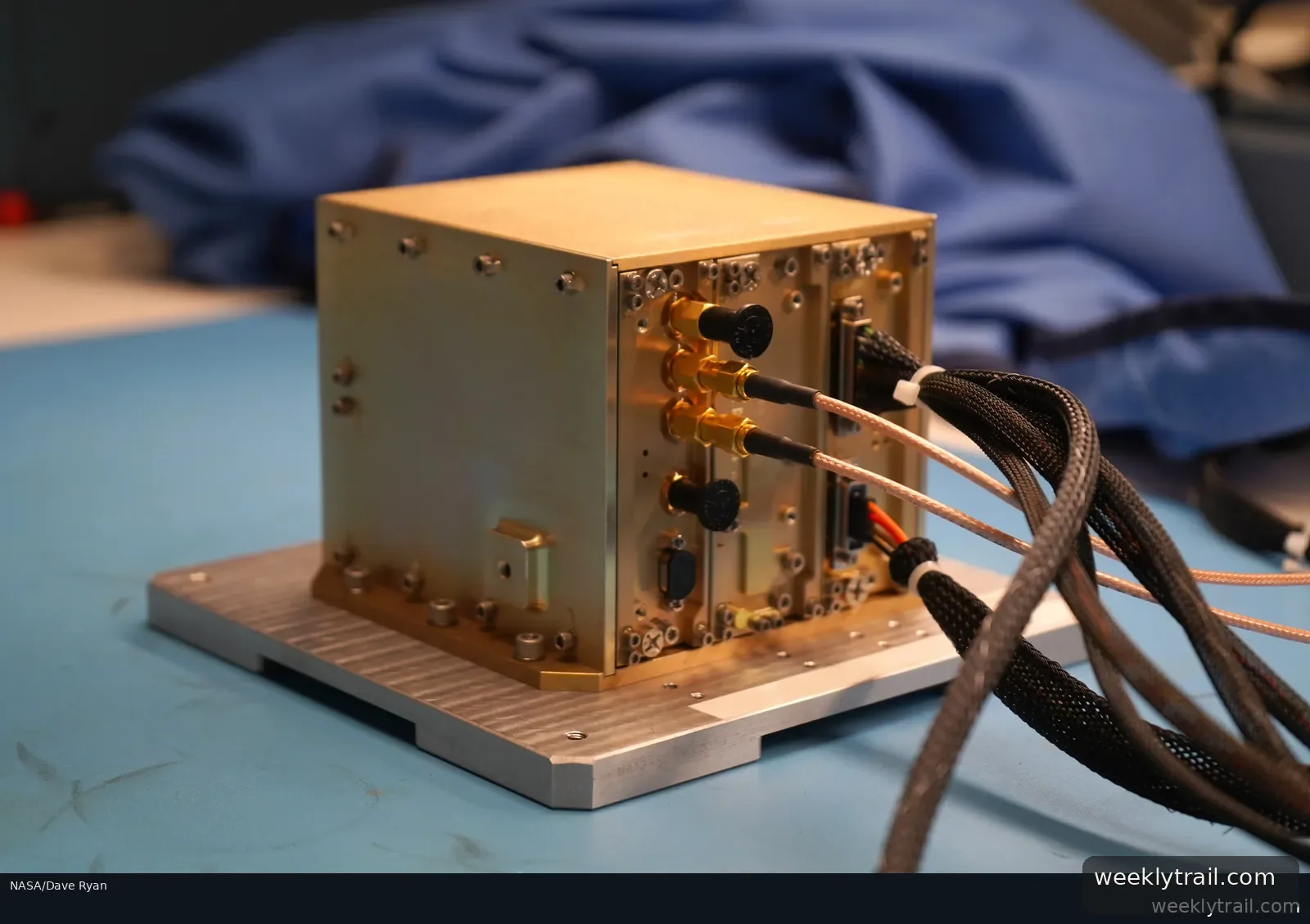
According to NASA, SARSAT began U.S. operations in 1982 and international operations in 1985. The article states the program now involves 62 operational satellites and 45 nations contributing services, and that more than 63,000 lives have been saved. It says the flight and ground technologies were originally developed at NASA's Goddard Space Flight Center.
The account says a team member activated a PLB stowed at the last minute, sending a distress signal to satellites that relayed the transmitter's location to a ground station and rescue coordination centers. A Florida Coast Guard boat picked up the group. The article lists 406 megahertz as the frequency dedicated to PLB distress signals.

No comments yet.