 WeeklyTrail

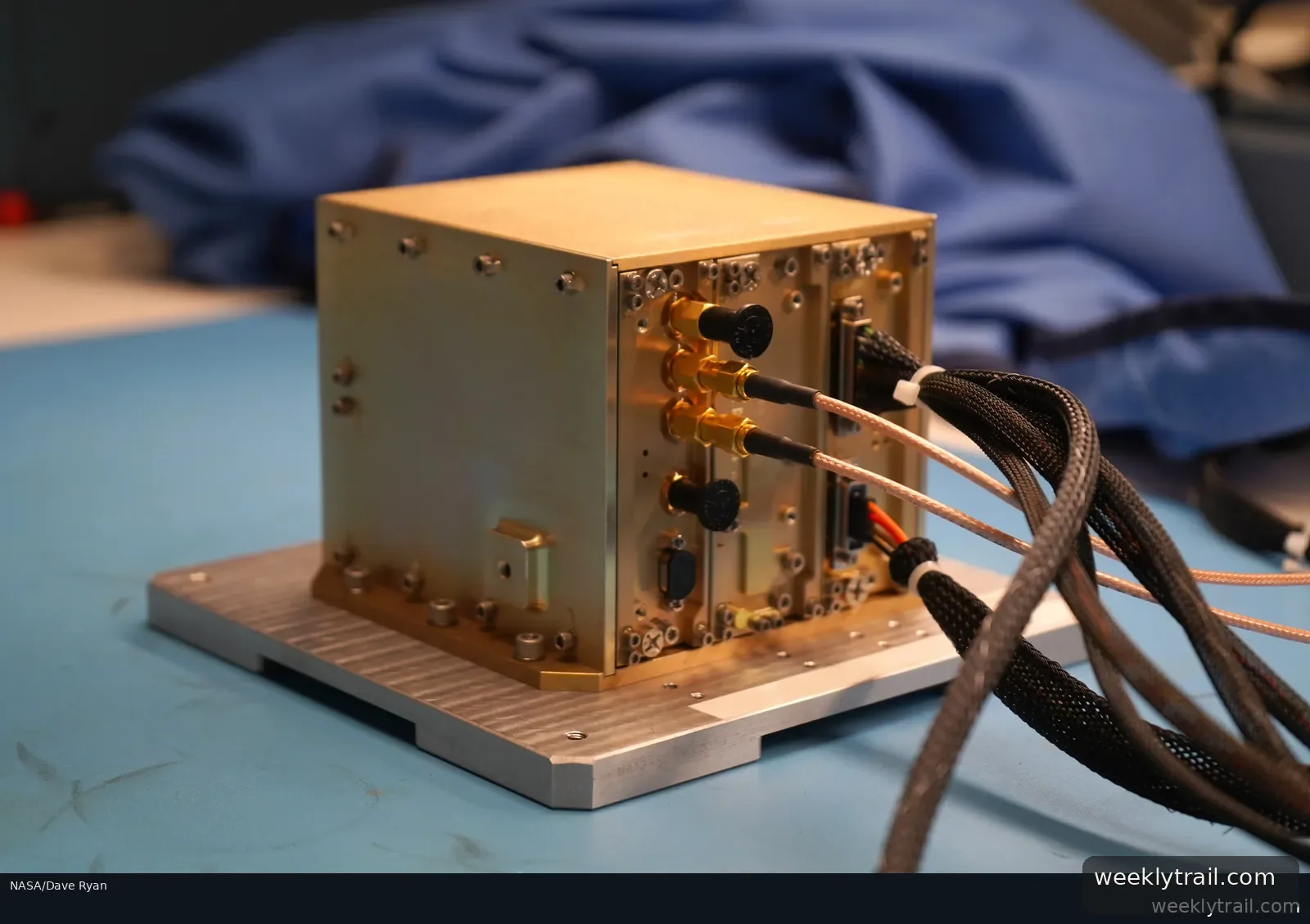
A NASA image article published Aug. 5, 2026 described Redwire's ADvanced Space Experiment Processors (ADSEPs) as automated facilities designed to conduct more space science with less crew time aboard the International Space Station. Each ADSEP holds three to four cassettes, or "mini-laboratories," allowing multiple studies with different needs to run simultaneously. The latest model, ADSEP-4, accommodates four cassettes and features imagery capabilities, according to the report.
Since 2017, ADSEPs have conducted and supported two dozen investigations aboard the station, NASA said. Recent work has focused on growing seed crystals in space, which the agency said could be used to reformulate existing drugs or develop new therapeutics. The ADSEP-PIL-10 investigation, conducted in orbit with Aspera Biomedicines, works to crystallize cancer-blocking and cancer-promoting molecules with the goal of creating an oral cancer medication, while ADSEP-PIL-15 crystallized cancer-treating medicines to help refine their production, quality and stability.
The facilities are not limited to crystal growth. In 2021, ADSEP-UMAMI studied how bobtail squid interacted with beneficial microbes in space, finding that symbiotic interactions could lessen a host animal's stress responses to spaceflight and accelerate developmental pathways.

No comments yet.