 WeeklyTrail
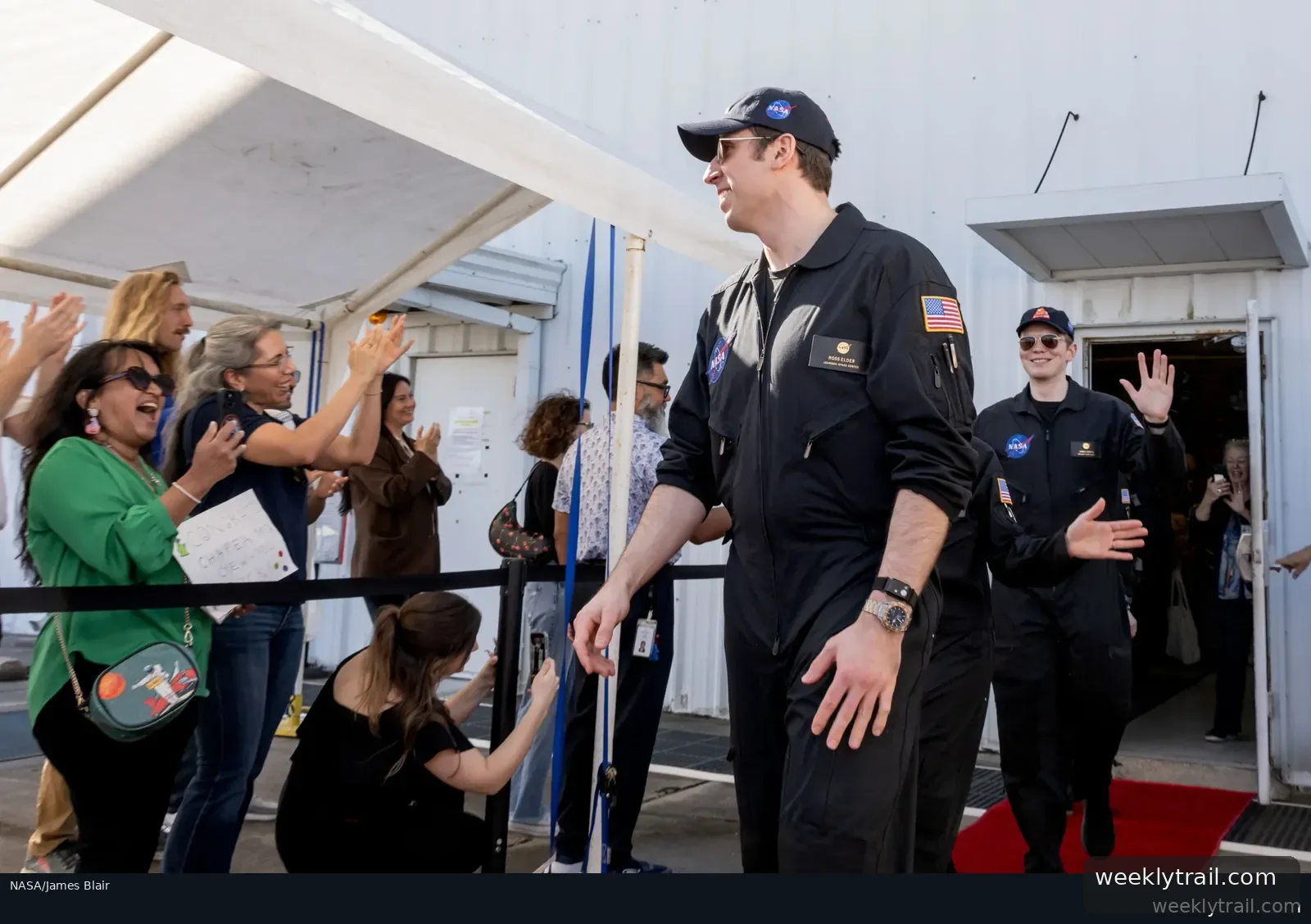
Four research volunteers left NASA's Mars Dune Alpha habitat at Johnson Space Center in Houston on Oct. 31, 2026, completing a 378-day simulation of Mars surface life. Ross Elder, Ellen Ellis, James Spicer and Matthew Montgomery entered the roughly 1,700-square-foot, 3D-printed habitat on Oct. 19, 2025, for the second CHAPEA (Crew Health and Performance Exploration Analog) mission.
During the mission the crew carried out simulated Marswalks, robotic operations, habitat maintenance, exercise and crop cultivation, collecting health and performance data while working with ground teams and coping with communication delays of up to 22 minutes each way. NASA says the study builds on the first CHAPEA mission, which ended in July 2024, and that two weeks of post-mission evaluations and debriefs will follow.
Johnson Director Vanessa Wyche said the work is about preparing for human exploration beyond Earth and protecting crew health. CHAPEA project scientist Sara Whiting said the data arrives as NASA plans how astronauts will live and work at its planned lunar outpost near the Moon's South Pole, describing it as “the now moment for this kind of data.”



Start the conversation. A good question is half the story.