 WeeklyTrail
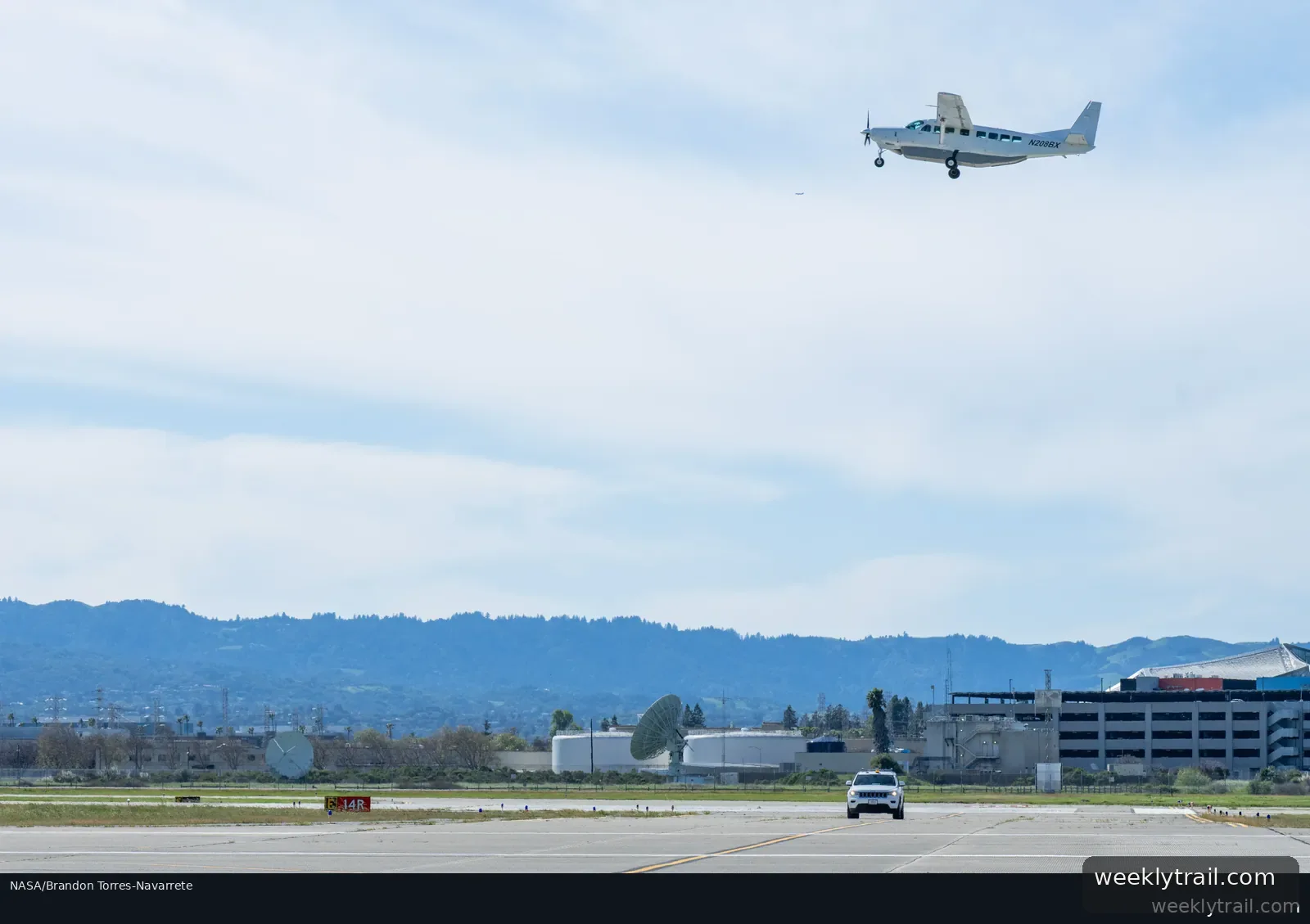
NASA researchers at the Ames Research Center in California's Silicon Valley worked with Boeing on three types of field tests aimed at safer, more efficient airport operations: digital taxi information, safe taxiway and safe runways. Testing in March 2026 demonstrated autonomous technology that could identify an incursion, such as a vehicle, a wayward suitcase or another runway obstacle, NASA reported on Sept. 23, 2026.
In the digital taxi tests, pilots received taxiway guidance directly on cockpit displays or tablets rather than verbally from air traffic controllers, and aircraft followed digital routes autonomously while researchers monitored sensors for obstacles. NASA said the system reduced pilot and controller workloads and the risk of verbal errors. During safe runway testing on a Boeing aircraft preparing to land, the same sensors flagged a vehicle on the runway.
NASA said future testing will integrate the sensor and digital taxi systems into a simulated air traffic control environment. The agency also described a 2025 effort with Boeing, United Airlines and international partners that evaluated real-time trajectory sharing on domestic and transoceanic flights, and said it has transferred its pre-departure routing technology to the Federal Aviation Administration for continued airline testing.

Start the conversation. A good question is half the story.