 WeeklyTrail
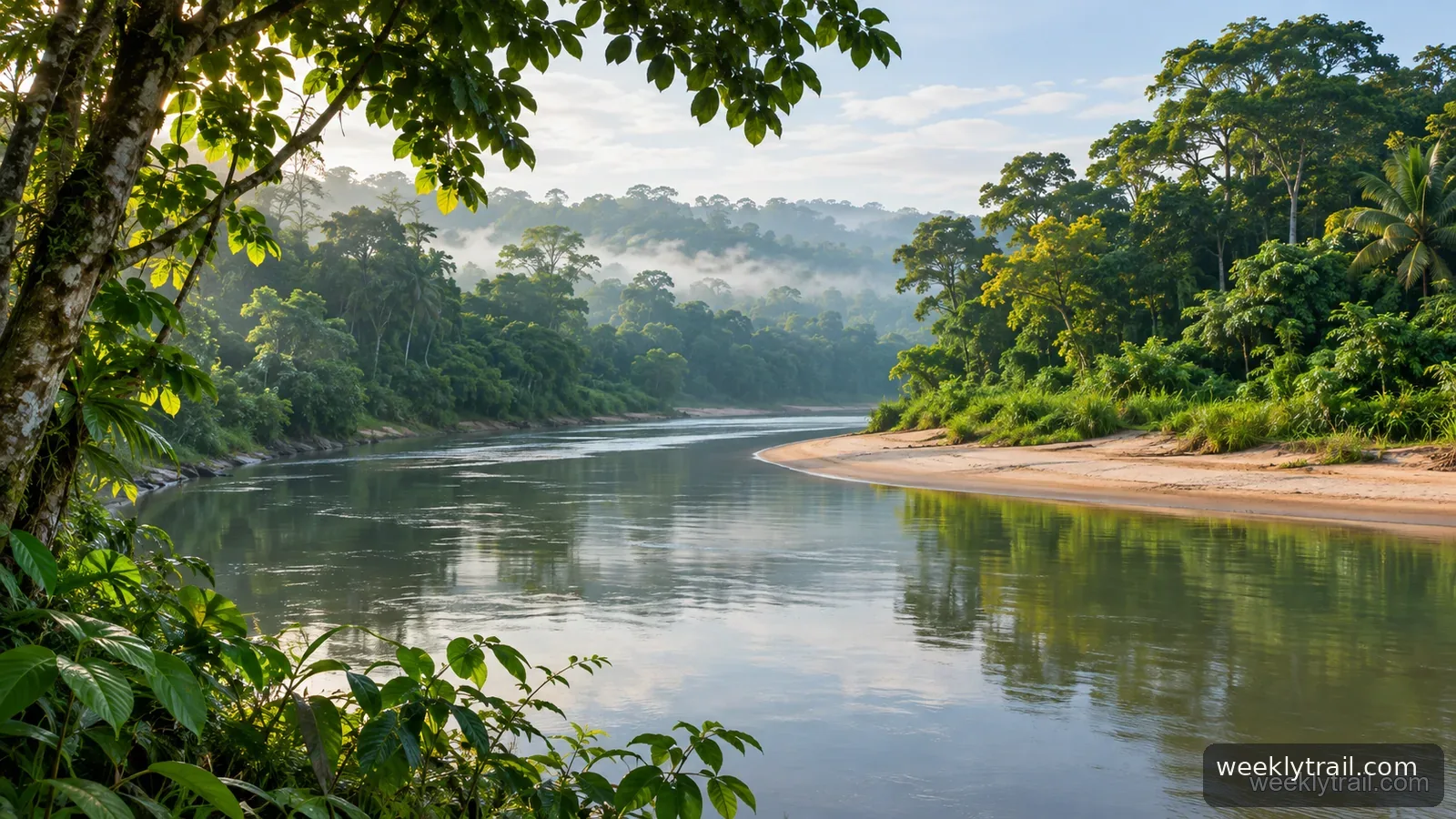
A drought linked to El Niño has left the Amazon rainforest primed to burn, and scientists say the region has entered the early stages of what they expect to be a long and severe fire season, NASA Earth Observatory reported on October 15, 2026. From September 2026, satellites recorded sharp increases in fire activity and smoke emissions in the central and eastern Amazon, stretching from forests around Manaus and Santarém to the mouth of the Amazon River.
When the Aqua satellite captured an image of smoke streaming from fires on both sides of the Amazon River on October 12, 2026, heavy smoke covered Manaus. City officials reported fine particulate matter values above 135 micrograms per cubic meter, the second-worst rating on a regional air quality index. Schools closed and citywide events and children's sports leagues were canceled.
Earth system scientist Douglas Morton, based at NASA's Goddard Space Flight Center, described the burning as part of a tropical fire "cascade" that accompanies El Niño's disrupted rainfall, beginning with drought and peat fires in Indonesia. He and colleagues expect the next wave of fire in November and December in Roraima, northern Pará and Amapá, as well as parts of Venezuela, Guyana and Suriname. He said fire risk will peak in the southern Amazon regions of Brazil and Paraguay around August and September 2027.

Start the conversation. A good question is half the story.