 WeeklyTrail

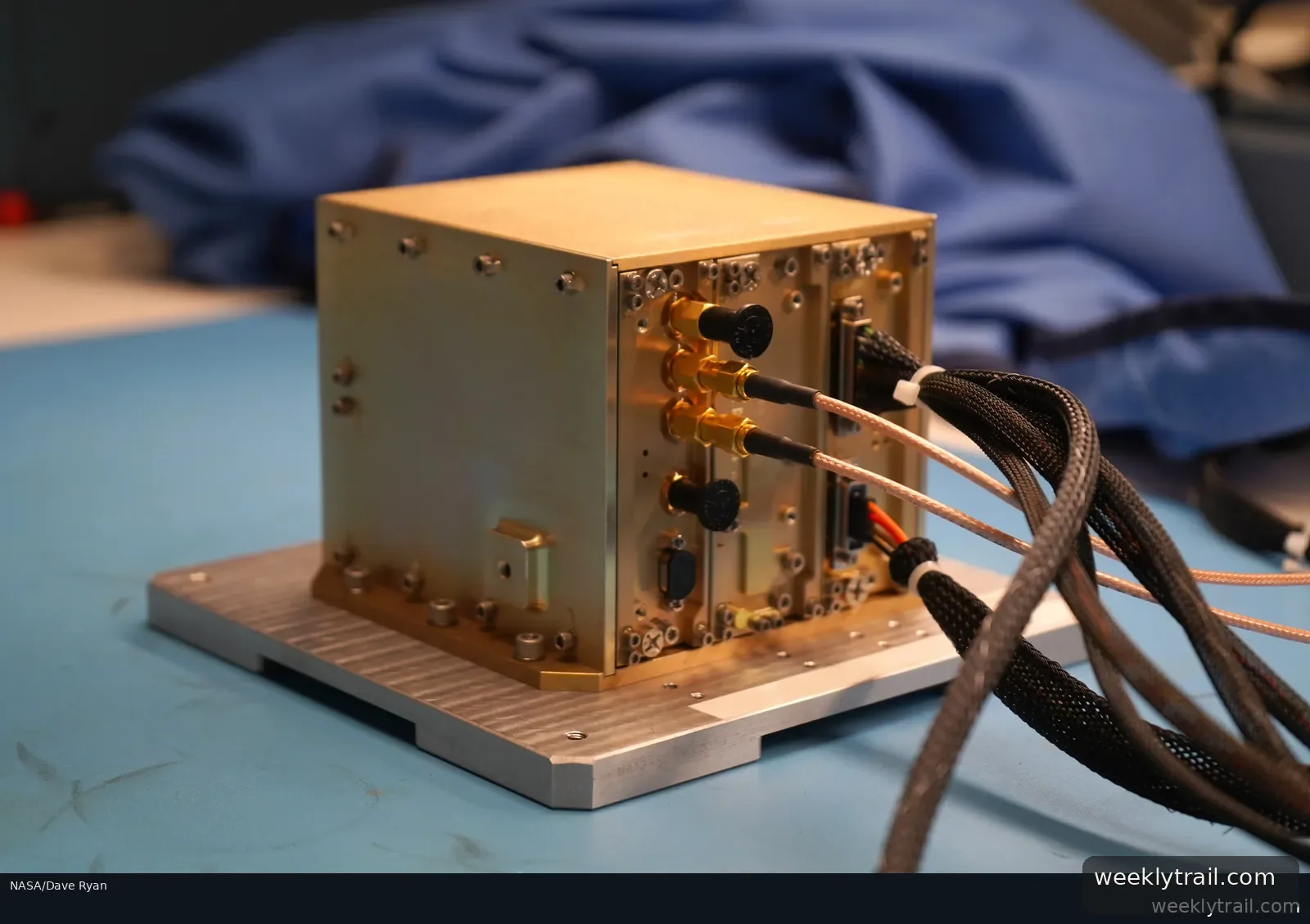
NASA's PREFIRE mission has gathered two full years of seasonal surface temperature data at both poles, the agency's Earth Observatory reported on August 7, 2026. The twin CubeSats began collecting science data in July 2024, and an animation released with the report shows Arctic and Antarctic surface temperatures shifting between cold and milder or warm conditions across two seasonal cycles.
The poles experience seasons at opposite times, the report notes, and the swings differ: Arctic winters give way to summers able to thaw tundra and sea ice, while Antarctic summer temperatures rarely rise above freezing. Chad Greene, a glaciologist at NASA's Jet Propulsion Laboratory, said measuring invisible heat radiating from Earth's coldest places helps scientists understand why the poles are changing rapidly.
According to the report, far-infrared radiation accounts for nearly 60 percent of the energy Earth loses to space but had not been comprehensively measured globally before PREFIRE. Tristan L'Ecuyer of the University of Wisconsin-Madison, the mission's principal investigator, said improved weather and climate predictions could follow now that this part of the spectrum is observable.


No comments yet.